
Inside the Air India Crash: Maybe Let’s Chill With the Blame Game
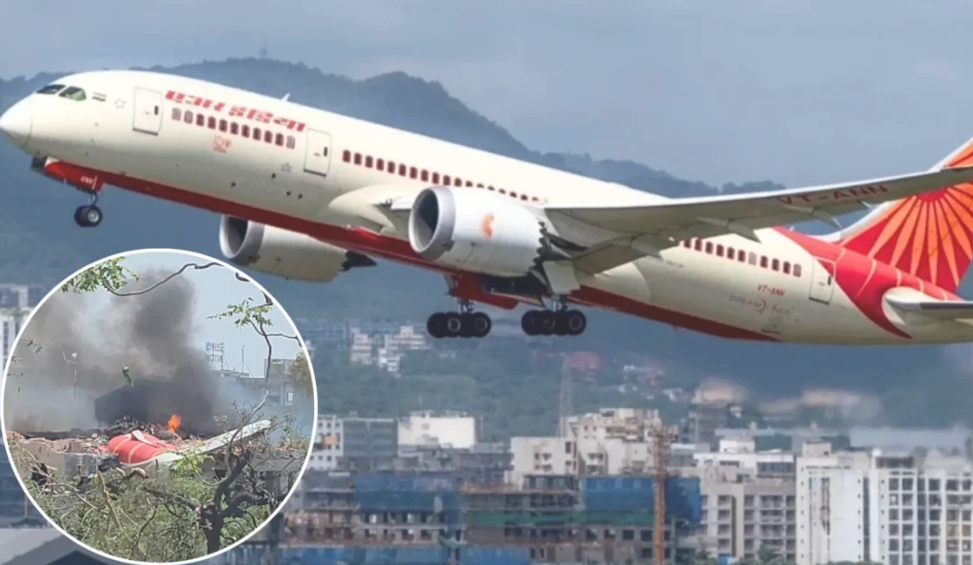
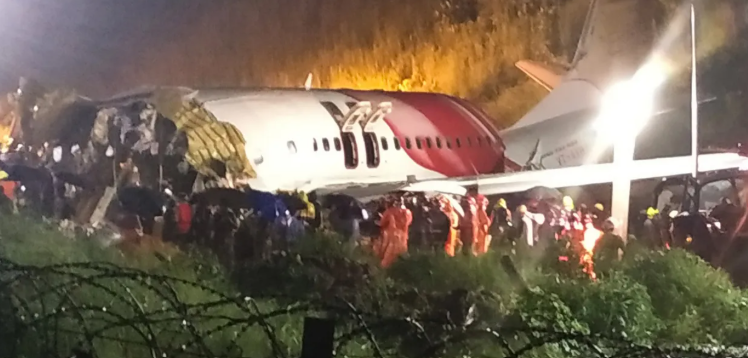
So, the Air India crash near Ahmedabad in July 2025? Yeah, that one—Boeing 787 Dreamliner, fuel-starved, both engines dead, and somehow, everyone walks away. Wild, right? The media instantly zeroed in on the pilots, like, “It’s gotta be their fault!” Classic move.
But, come on, that’s way too neat for a mess like this. Real talk: a ton of pilots and industry folks are pushing back. The whole story? It’s not just about pointing fingers. It’s about what really went down, how the system fumbled, and maybe—just maybe—giving pilots a break instead of hanging them out to dry every time something goes sideways.
Breaking Down What Happened in the Cockpit
Initial findings point to confusion in the cockpit over fuel systems. It appears the manual fuel shut-off switches may have been triggered accidentally. Maybe those system alerts freaked everyone out or just didn’t make sense—classic tech drama, right?
The plane started dropping, fast, but at least the pilots kept their cool and veered away from any crowded spots. Pretty gutsy, honestly. They aimed for somewhere less risky and pulled off an emergency landing. If they’d messed that up? Yeah, we’d all be reading about a disaster right now. Thank god for quick thinking.
Veteran flight instructors call this “decisive crisis response.” They say the landing reflects pilot skill—not failure.
Pilot Voices: What the Public Doesn’t Hear
Multiple retired pilots have commented—privately—on the incident. One noted, “People think this job is about routine. It’s about managing the unexpected.”
Another said, “You don’t rise to the occasion; you fall back on training. In those moments, every alarm feels like a scream.”
This real-world view reveals the immense pressure pilots face when automation fails or gives confusing data. In the Air India Plane Crash, these stressors seem central to the timeline.
 |  |
Stress and Cognitive Tunneling: The Hidden Hazard
Experts who reviewed early cockpit voice recordings say the pilots repeated fuel checks several times. They sounded urgent but followed protocols.
This suggests a state called “cognitive tunneling.” Under stress, pilots may focus too narrowly—missing broader warning signs. It’s not incompetence. It’s how the brain copes with overload.
Stress affects even the best-trained minds. In aviation, milliseconds matter. One distraction can alter everything.
Design Flaws in Focus: The Role of Boeing’s Interface
The Dreamliner fuel system is sophisticated. Still, engineers and former pilots question its layout and labeling. Some say it’s possible to mistake shut-off switches during high-pressure moments.
Aircraft design must support clarity, especially when pilots are under stress. One aviation consultant put it clearly: “Technology should help, not hinder, during a crisis.”
This Air India Plane Crash now drives fresh debate about how cockpit systems should be designed—with human behavior in mind.
Mental Health of Pilots: A Taboo That Must End
Media reports about the pilot’s personal struggles surfaced shortly after the crash. Some claimed one crew member had suffered a recent loss.
Aviation psychologists urge caution. Stress doesn’t make a pilot unfit. Pilots are people. They carry emotional weight just like anyone else.
One senior trainer said, “We should never use personal trauma as a headline. These pilots showed courage, not weakness.”
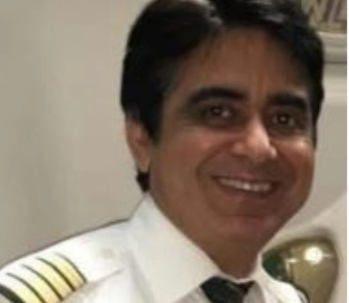
The captain logged more than 15,000 hours. That’s not just experience—it’s mastery earned under pressure.
What Aviation Needs to Get Its Act Together—Yesterday
After that Air India crash? Yeah, folks are finally waking up. Here’s what needs fixing, like, right now:
Run real-deal fuel emergency drills in simulators. Not the boring textbook stuff, but scenarios that actually get your adrenaline pumping.
Slap clearer labels on fuel systems, and for the love of all things holy, make the switches less confusing. You shouldn’t need a PhD to flip the right one.
Those cockpit alerts? Too much noise, not enough sense. Give pilots a break—nobody can process a hundred beeps at once.
Mental health for pilots—no more “just tough it out.” Let’s actually help them before things go sideways.
Thinking about cockpit cameras—not to spy, but so investigators can actually see what happened, not just guess.
Private airlines in Asia? They’re already poking at their Dreamliner rules. About time, honestly.
Why Human Factors Must Shape the Future
Honestly, aviation’s gotta stop pretending pilots are flawless robots. Machines are cool and all, but the real magic happens in the cockpit—by actual humans, not superheroes. The whole system right now? It’s like, “Hey, don’t mess up, ever.” Yeah, sure, because nobody’s ever tired or stressed at 30,000 feet.
If you really want safer skies, maybe stop treating pilots like they’re just waiting to screw up. What they need is backup—stuff that works with the way people actually think, especially when things go sideways. Cut the blame game. Give ‘em better tools, smarter systems, and a little respect for the fact that, newsflash, humans aren’t perfect.
“This wasn’t just pilot error,” said an industry veteran. “It was system failure under pressure. That’s where the reform should start.”
Conclusion: Rethink the Air India Plane Crash
The Air India Plane Crash is a lesson in complexity. It shows how stress, alerts, and unclear systems converge at 35,000 feet.
Rather than blame pilots, we should celebrate their resilience. They took action, made life-saving choices, and averted catastrophe.
The narrative must evolve. Behind every pilot is a human doing their best to fly safely. Let’s honor their role, fix broken systems, and move aviation forward.