

Florida’s Got Flesh-Eating Bacteria? Yeah, Here’s the Deal.
Sun, sand, and surf—classic Florida, right? Well, not so fast. There’s a gnarlier guest crashing the beach party this year: flesh-eating bacteria. No, seriously. Health folks in Florida are practically yelling about it.
Apparently, Vibrio vulnificus (try saying that five times fast) is making the rounds. This stuff gets into open cuts like it’s got backstage passes, or sneaks in if you munch some sketchy raw oysters. Not super common, but when it hits? It hits hard—like, get-to-the-hospital-ASAP hard.
So, what are the experts saying? Basically, don’t be dumb. Keep wounds covered, maybe skip the raw seafood roulette, and, you know, pay attention. Awareness might just save your summer—and your skin.
Why Are Cases Increasing?
Warmer oceans caused by climate change may be a contributing factor. Florida’s coastline has seen steadily rising water temperatures. That creates a more favorable environment for flesh eating bacteria Florida to thrive.
Increased population and tourism add to the issue. With more people heading to the beach, the chance of exposure climbs. Public health officials are now working to raise awareness.
How the Infection Spreads
In Florida, flesh eating bacteria infections spread quickly through open wounds in warm coastal waters. Many people become exposed while swimming in the Gulf or Atlantic.
Even minor cuts or insect bites can allow Flesh Eating Bacteria Florida cases to start. The bacteria enter through broken skin and thrive in salty, warm environments.
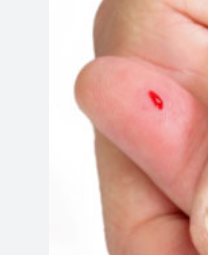
Another common cause is eating raw oysters or undercooked seafood. This method of transmission is often overlooked, but it’s extremely dangerous.
When the flesh eating bacteria Florida strain reaches the bloodstream, it can trigger sepsis. At that point, the infection becomes life-threatening within hours.
Because symptoms show up quickly, early action is vital.
Recent Florida Case Statistics
Florida recorded four deaths and eleven infections in 2025. That compares to 82 cases and 19 deaths in 2024. Notably, cases jumped after hurricanes. Fewer deaths were reported in 2023. However, rising ocean temperatures are expanding the bacterium’s reach.
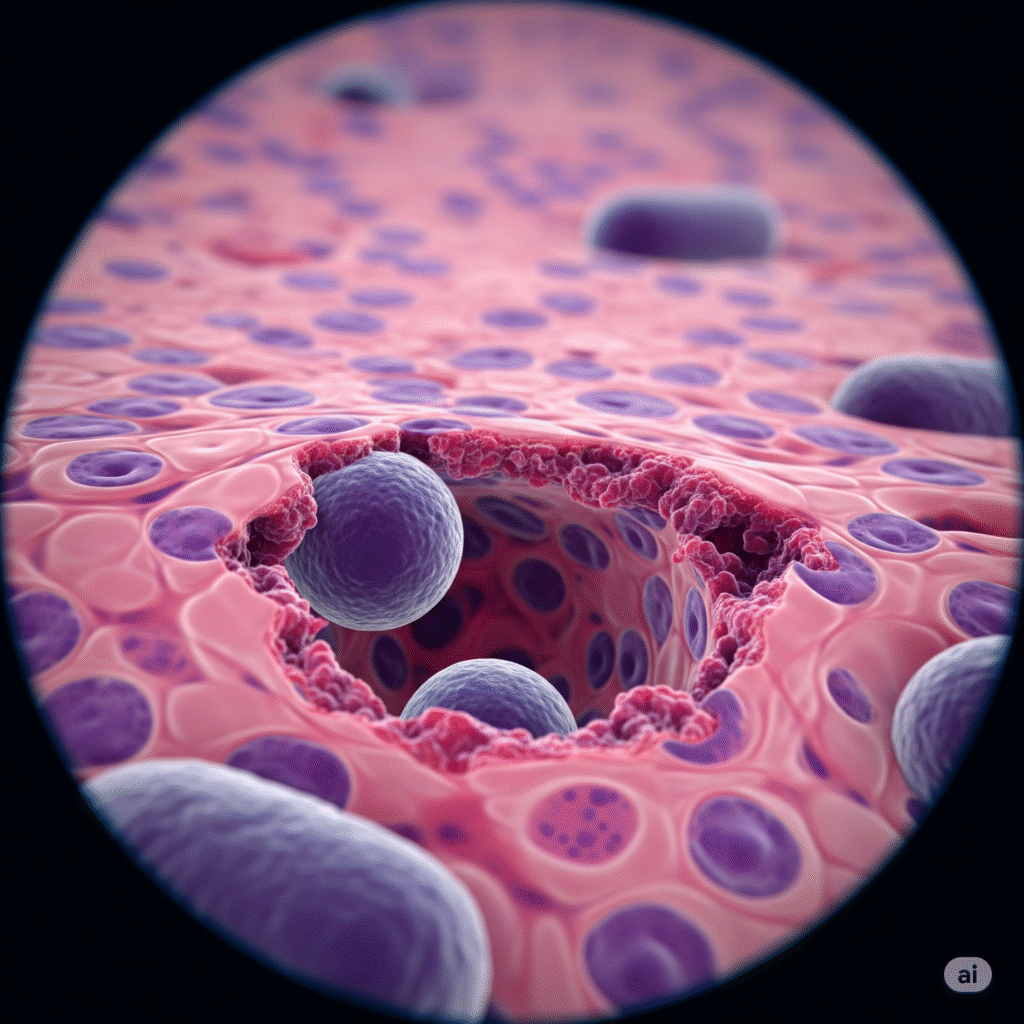
Who Is Most at Risk?
Not everyone who swims in Florida waters will get infected. However, some individuals face a much higher risk from flesh eating bacteria Florida, including:
- People with diabetes or liver disease
- Those with weakened immune systems
- Older adults
- Individuals with open cuts, scrapes, or surgical wounds
Healthy people can also get infected if they are exposed under the right conditions.
Key Symptoms to Watch Out For
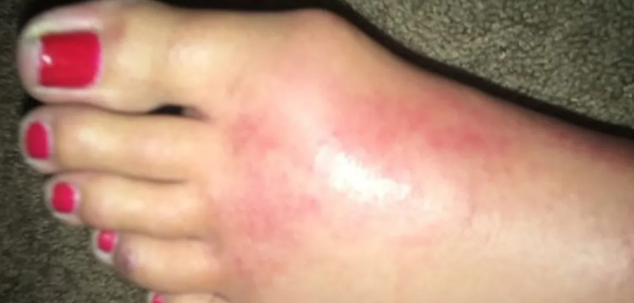
Flesh Eating Bacteria Florida doesn’t always appear dramatic at first. Symptoms can begin with slight pain, redness, or swelling. But they can quickly grow worse.
Look for:
- Fever and chills
- Intense pain around a wound
- Red or purple blisters
- Rapid skin discoloration
- Nausea or confusion
Early Symptoms (can appear within hours to a few days):
- Severe pain disproportionate to the injury: This is a hallmark symptom. The pain is often much more intense than what you’d expect from the visible wound or affected area, and it may spread beyond the visible redness.
- Red, warm, or swollen area of skin: The affected skin may initially look like a common skin infection (like cellulitis). It might be tender to the touch and spread quickly.
- Flu-like symptoms: These can include:
- Fever (often high)
- Chills
- Nausea and vomiting
- Diarrhea
- Body aches
- Fatigue/tiredness
Later Symptoms (as the infection progresses rapidly, often within 24-72 hours):
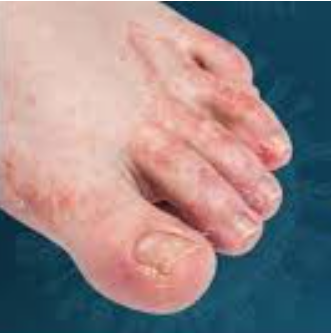
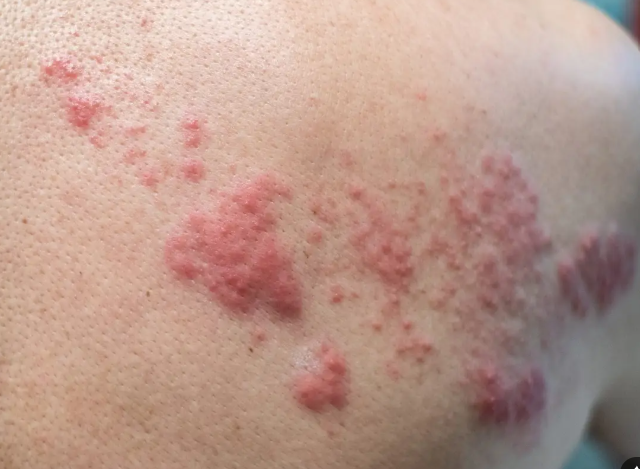
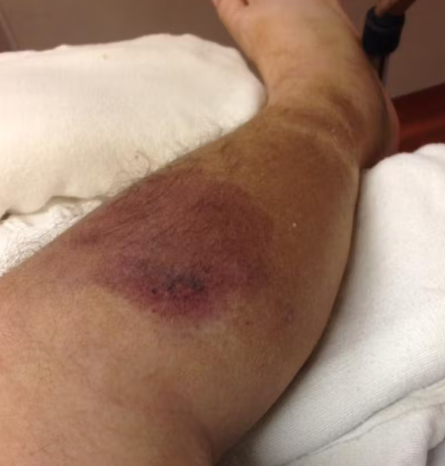
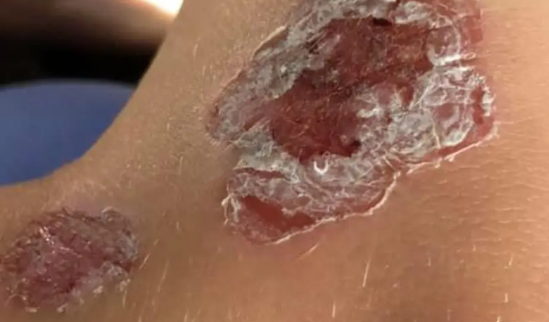
- Changes in skin color: The redness may progress to purple, gray, or black blotches due to tissue death (gangrene). Blisters filled with dark or foul-smelling fluid may appear.
- Skin breakdown: Ulcers, blisters, or black spots on the skin may form. The skin may become shiny and tense.
- Pus or oozing: Discharge from the infected area may be present.
- Decreased sensation: As the nerves in the affected area are destroyed, the severe pain may paradoxically lessen, leading to numbness.
- Worsening systemic symptoms:
- Increased dizziness
- Confusion or delirium
- Low blood pressure
- Rapid heart rate
- Signs of shock
Red alert stuff:
This is the scary list:
- Organs shutting down, like your kidneys, liver, or lungs just tapping out.
- Sepsis: basically your body going nuclear over an infection and nuking itself. Not good.
- Toxic shock: think sepsis but even more bonkers.
- Out cold—like, legit unconscious.
- Don’t mess around if any of this crops up. Call for help. Seriously, waiting it out is a bad plan.
Don’t mess around if any of this crops up. Call for help. Seriously, waiting it out is a bad plan.
How fast does this thing hit??
Honestly, necrotizing fasciitis doesn’t mess around. It can go from, “Oh, that’s a weird little cut,” to “holy hell, what’s happening?!” in hours. Sometimes a couple days, but usually way faster than you’d expect. It sneaks in through busted skin—cuts, burns, bug bites, whatever gives the germs a ticket in.
So when do you run, not walk, to the ER?:
If you’ve got pain that’s WAY worse than it should be, redness spreading like wildfire, swelling blowing up, or you suddenly start feeling like you’ve got the flu after a wound—do not wait it out. Get to the hospital, stat. Infections like this need heavy-duty antibiotics and probably some surgery to cut out the dead stuff.
Because of its rapid progression, immediate medical attention is vital if you suspect necrotizing fasciitis.
The sooner you get help, the better your shot at avoiding the really gnarly stuff (like losing a limb or worse). Don’t gamble with this one.
 |  |  |  |  |
How to Protect Yourself and Your Family
Thankfully, protection is simple with a few smart habits. Health experts suggest the following simple steps to reduce your risk of flesh eating bacteria Florida:
- Avoid swimming with fresh cuts or scrapes.
Even insect bites can allow bacteria to enter. - Cover wounds with waterproof bandages.
This adds an extra layer of safety in the water. - Wear gloves when handling raw seafood.
Cuts from shells or tools can expose your skin. - Cook all shellfish thoroughly.
Never eat raw oysters, especially during summer. - Rinse wounds after water exposure.
Use clean water and soap right away. - Visit a doctor at the first sign of trouble.
Swift treatment makes a major difference.
By following these tips, you reduce your chances of infection greatly.
What Should You Do If Exposed?
If you believe you’ve been exposed to flesh eating bacteria Florida, don’t wait. Clean the area with soap and clean water immediately. Apply an antibiotic ointment and cover the wound. If symptoms appear, go to a hospital as soon as possible.
So, here’s what’s actually happening: if things get gnarly, doctors might break out the heavy-duty antibiotics or even go straight to surgery if stuff’s gotten real bad—like, chop out the infected bits and hope for the best.
What’s Florida doing about all this?
Well, they’ve slapped warning signs on some beaches (so much for your relaxing swim), and hospitals are kinda on high alert, ready to spot and treat cases fast.
Meanwhile, you’ve got scientists eyeballing the water like hawks.
And the Florida Department of Health? Yeah, they keep pumping out new safety alerts. The whole awareness campaign’s ramping up, especially where it matters most—right along those high-risk coastlines. It’s like a public health pep rally down there.
True Stories Highlight the Danger
A man in Sarasota went fishing with a tiny scratch on his hand. Hours later, his arm swelled and darkened. Doctors rushed to perform surgery. Thankfully, he survived.
Another woman near Miami fell ill after a beach picnic. She went for the raw oysters—probably chasing that fresh-from-the-sea vibe. Two days later? Things took a nosedive. Honestly, she never bounced back.
It’s stories like this that smack you in the face and remind you—knowing your stuff and staying sharp isn’t optional.
So, is the beach some kind of danger zone now?
Nah, beaches are still awesome. Just don’t leave your brain at home. Most folks have a blast and never run into trouble. But, you know, a little common sense goes a long way. Check the water warnings before you dive in. Toss some bandages and antiseptic in your bag—because, why not? Sometimes it’s the little things that save your bacon.
Conclusion: Be Aware, Not Afraid
Flesh Eating Bacteria Florida should not stop you from enjoying summer. But it should remind you to stay cautious.
Watch for symptoms. Avoid risky behavior. And protect vulnerable family members.
With knowledge and care, you can stay safe while soaking in the sun.
Suggested Links
More
Chronic Venous Insufficiency: The Silent Circulatory Threat You Can’t Ignore