
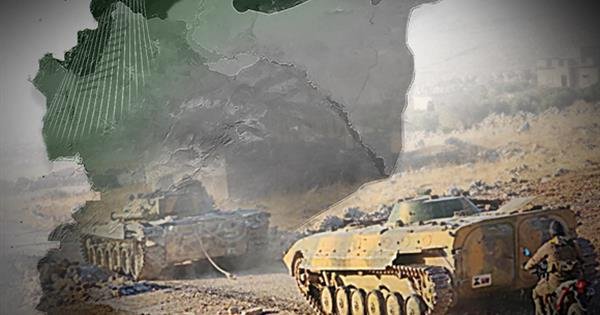
The Syrian President Asylum has triggered widespread debate in international circles, raising concerns about its impact on global politics and regional stability. As neighboring countries react to this unexpected development, diplomatic tensions are mounting. Analysts warn that the Syrian President Asylum could shift alliances, alter power dynamics in the Middle East, and influence foreign policy decisions by major world powers. This situation has also intensified discussions around international law, sovereignty, and the role of humanitarian protection in politically sensitive cases.
Table of Contents
Introduction
Former President of Syria has faced widespread criticism for actions and decisions that have had profound implications for Syria and its people. Here are some key mistakes attributed to Assad’s leadership:
1. Violent Suppression of Protests
- In 2011, during the Arab Spring, peaceful protests in Syria were met with violent crackdowns. The use of excessive force escalated tensions, transforming protests into a full-scale civil war. This heavy-handed approach alienated significant portions of the population and fueled opposition groups.
2. Human Rights Violations
- Assad’s regime has been accused of committing atrocities, including the use of chemical weapons, targeting civilians in airstrikes, and employing torture. Reports from international organizations like Amnesty International and Human Rights Watch document widespread abuses, such as the indiscriminate bombing of civilian areas and the use of starvation as a weapon of war.
3. Polarizing Governance
- Assad has maintained power through sectarian strategies, exacerbating divisions between Syria’s ethnic and religious groups. This has fueled long-standing mistrust and conflict among communities, particularly between Sunni Arabs, Alawites, Kurds, and other minorities.
4. Economic Mismanagement
- Decades of corruption and crony capitalism under Assad have left Syria’s economy in tatters. The regime’s focus on benefiting a small elite group has worsened inequality and poverty. By 2023, over 90% of Syrians lived below the poverty line.
5. Dependency on Foreign Allies
- Assad’s reliance on Russia and Iran has deepened Syria’s geopolitical entanglements. While this support has helped him remain in power, it has come at a cost, reducing Syria’s sovereignty and increasing its isolation from Western and Arab nations.
6. Failure to Address Humanitarian Needs
- The regime has restricted access to humanitarian aid in opposition-held areas and diverted resources to punish dissenting regions. Millions of Syrians face dire living conditions due to these policies.
7. Exacerbating Refugee and Displacement Crisis
- Assad’s strategies have displaced millions of Syrians internally and externally, creating one of the largest refugee crises in modern history. His unwillingness to negotiate a peaceful resolution has prolonged this crisis.
Conclusion
The Syrian President Asylum brings renewed attention to Assad’s divisive leadership, which has led to widespread suffering and international isolation. Rebuilding Syria’s future will likely demand major reforms and accountability for past actions tied to his regime.
Potential Impact of Syrian President Asylum: A Mixed Bag
If the Syrian President Asylum occurs, it could bring both positive and negative consequences.:
- Positive Outcomes:
- It might pave the way for a transitional government and ease tensions in conflict zones. A leadership change could encourage international engagement to rebuild Syria’s devastated economy and infrastructure.
- Refugee and aid efforts could gain momentum, given the potential stabilization of governance.
- Negative Outcomes:
- Asylum could complicate justice for human rights violations, as Assad’s regime has faced accusations of war crimes and humanitarian abuses.
- His departure might create a power vacuum, potentially leading to factional violence and destabilization.
Broader Geopolitical Context
Regional dynamics like Turkey’s operations in northern Syria and U.S.-backed Kurdish forces influence the situation. The Syrian President Asylum could alter Assad’s alliances with Russia and Iran, reshaping Syria’s future. For the U.S. and its allies, promoting stability and countering extremist threats remains a top priority.
Preparing for the Future
If Assad were to seek asylum, the international community would need to ensure mechanisms for justice, reconstruction, and humanitarian aid. Transparent governance and accountability will be crucial to Syria’s recovery.
In conclusion, while asylum for Assad could mark a turning point, its success hinges on comprehensive international efforts to address Syria’s complex challenges.